
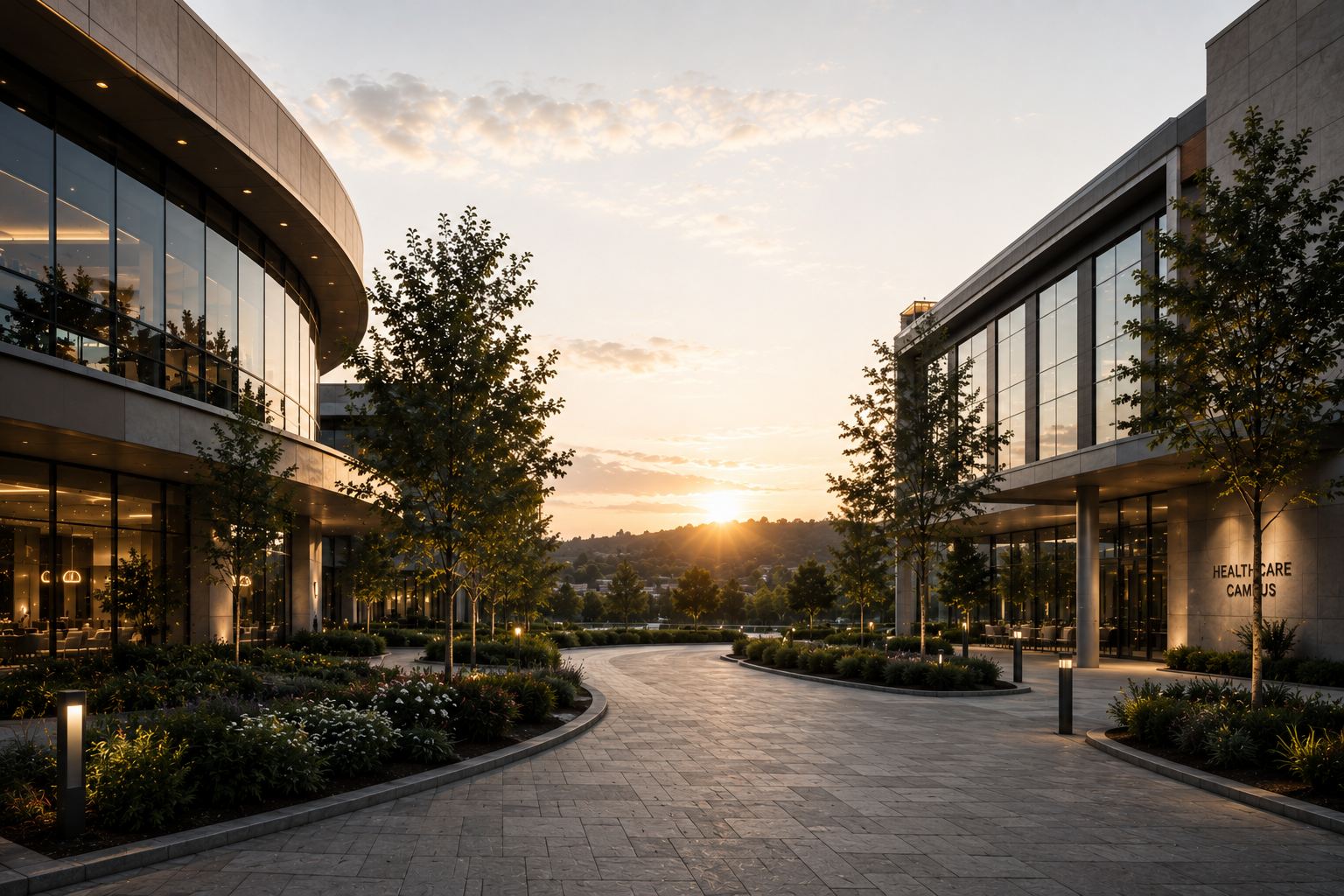
The common assumption is that Dubai Healthcare City replaces the DHA with its own regulator. Law No. (16) of 2024 says otherwise. A healthcare operator inside DHCC needs DHA licences in addition to DHCA approvals, which makes the free zone an additional layer rather than an alternative one.
Most commentary treats the choice as a swap: license with the Dubai Healthcare City Authority inside the free zone, or with the Dubai Health Authority on the mainland. That is not what the governing law provides.
Law No. (16) of 2024 Concerning the Dubai Healthcare City was issued on 4 September 2024 and supersedes Law No. (9) of 2011. Article 20 sets out licensing in two parts.
Under Article 20(a), no individual, establishment or company may conduct any commercial activity within the DHCC unless they have obtained the relevant licences and permits from the DHCA.
Under Article 20(b), no individual, establishment or company may conduct any healthcare activity within the health sector of the emirate, within the DHCC, unless they have obtained the relevant licences and permits from the DHA, in addition to any other permits or approvals to be issued by the DHCA.
A clinic inside DHCC is therefore subject to DHA healthcare licensing and DHCA free zone licensing. Not one or the other.
Read together, the free zone governs the commercial vehicle and the premises. The health sector regulator continues to govern the healthcare activity.
The practical position for a specific facility category should still be confirmed directly with both the DHCA and the DHA before commitments are made, since implementation detail is set by the rules and requirements each authority adopts.
Article 25 is the provision acquirers most often miss.
No DHCC Establishment may assign the licences or permits issued to it by the DHCA, the DHA, or other competent entities in the emirate to any party or entity without first obtaining the written approval of the issuing entities.
The plural matters. Where a facility holds both a DHCA licence and a DHA licence, assignment requires written approval from each issuing authority, not one clearance covering both.
This runs alongside the mainland position under Executive Council Resolution No. (49) of 2024, where healthcare facilities and professionals cannot transfer their licences without prior DHA approval. Either way, regulatory approval sits on the critical path. Inside DHCC there are simply more approvals on that path.
Transaction structure and timetable should reflect that from the outset rather than at signing.
The commercial and fiscal framework is genuinely different, and it is set out in the Law rather than in marketing material.
Anyone weighing DHCC for a longevity, regenerative or advanced wellness concept should factor in Law No. (17) of 2026.
Under Article 7(a) of that Law, no person may conduct a longevity Activity in the emirate, including in Special Development Zones and free zones such as the Dubai International Financial Centre, without a Permit issued by the Dubai Longevity Authority.
The free zone is not an exemption. For that category of concept, the requirement stack inside DHCC is a DHCA licence, a DHA licence and a DLA Permit.
On 27 April 2026, Dubai Healthcare City Authority broke ground on PIXEL DHCC and IBN SINA+, the first phase of a AED 1.3 billion development programme, both scheduled for completion by November 2027.
IBN SINA+ is the one clinical operators should look at. It is a purpose-built medical complex designed by DAR, delivered as shell-and-core, covering 5,800 square metres across five floors and providing multi-functional surgical, diagnostic, outpatient and medical office space. It extends the existing IBN SINA facility.
PIXEL DHCC is a LEED platinum-certified office building of 13,000 square metres across nine floors, with office units and ground-floor commercial space, and the first LEED platinum building in DHCC.
Shell-and-core means structure, envelope and primary services. It does not mean a licensable clinical environment. Medical gas, clinical drainage, radiation shielding where applicable, air handling to the standard your facility category requires and the full internal fit-out are the operator's scope and cost. For any category involving procedures, that gap is the largest single variable in a launch budget and it is routinely underestimated.
It is also sequence-sensitive. Design must follow regulatory pathway determination, not precede it, or the drawings are done twice.
Both authorities. Under Article 20(b) of Law No. (16) of 2024, healthcare activity within DHCC requires the relevant licences and permits from the DHA, in addition to any permits or approvals issued by the DHCA.
No. The free zone governs the commercial vehicle and the premises. Article 6 of Law No. (16) of 2024 preserves the DHA's powers under health sector legislation, including its power to record breaches and impose penalties.
Not without consent. Article 25 provides that no DHCC Establishment may assign licences or permits issued by the DHCA, the DHA or other competent entities without first obtaining written approval from the issuing entities.
Article 21 provides that DHCC Establishments, other than public joint stock companies, may be owned by one or more natural or legal persons whether or not they are UAE nationals.
Under Article 15, and without prejudice to federal tax legislation, DHCC Establishments and their employees are subject to a zero tax rate for fifty years from the commencement of operations, renewable by resolution of the Ruler.
PIXEL DHCC, a LEED platinum office building of 13,000 square metres across nine floors, and IBN SINA+, a purpose-built medical complex of 5,800 square metres across five floors. Both are scheduled for completion by November 2027.
The developer delivers structure, envelope and primary services. Clinical fit-out, including medical gas, specialist air handling, clinical drainage and any shielding, is the operator's scope and cost.