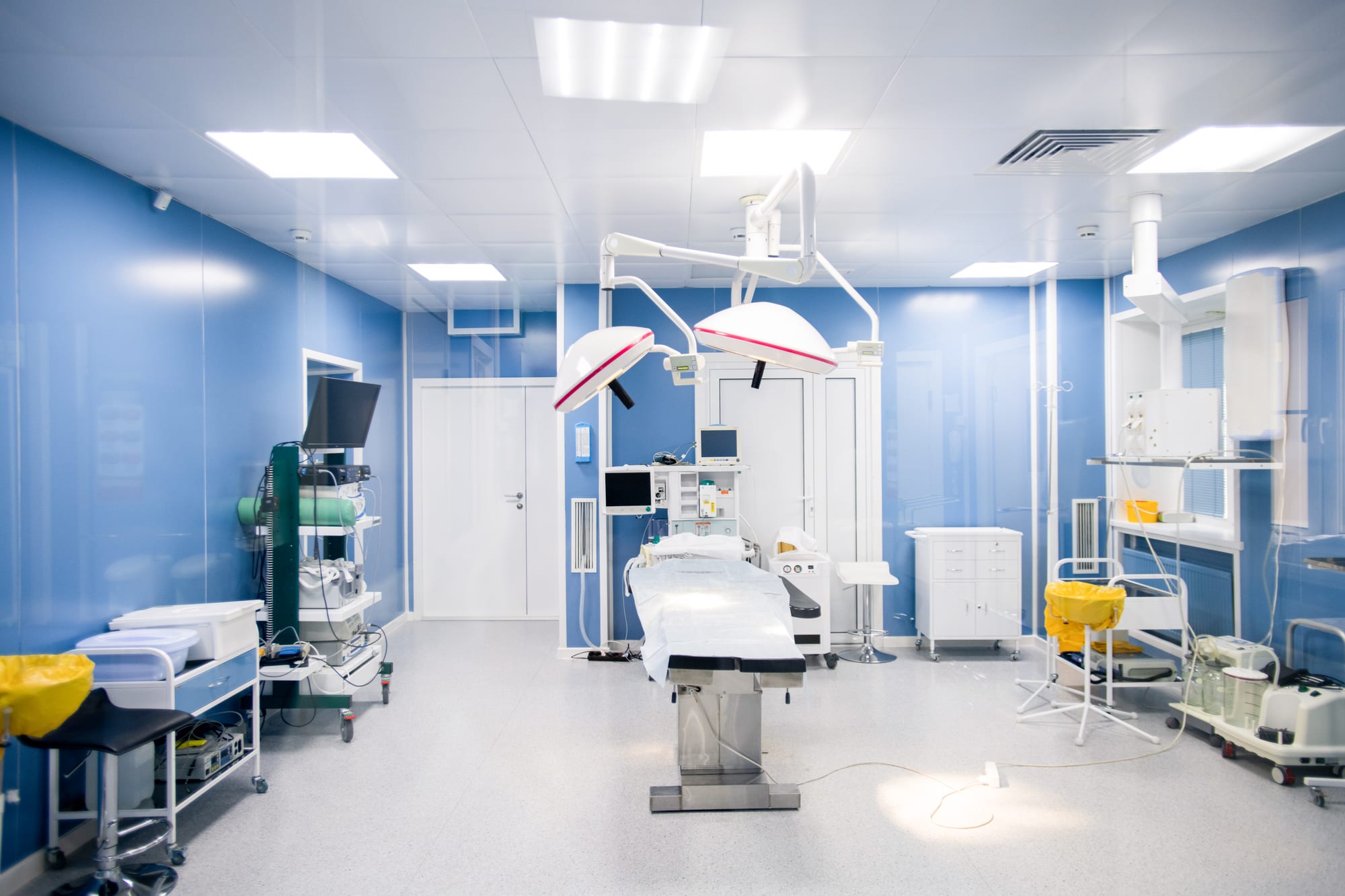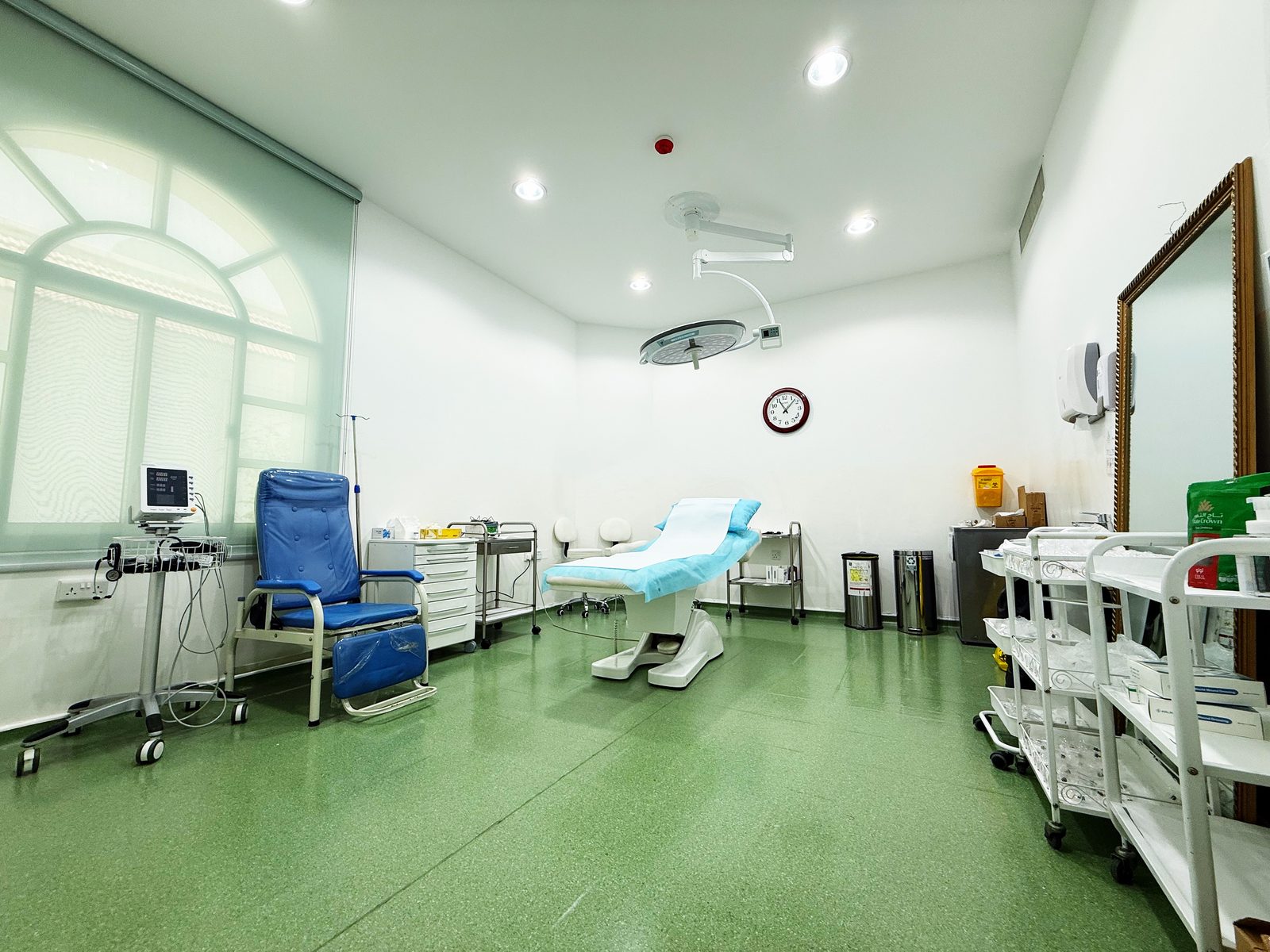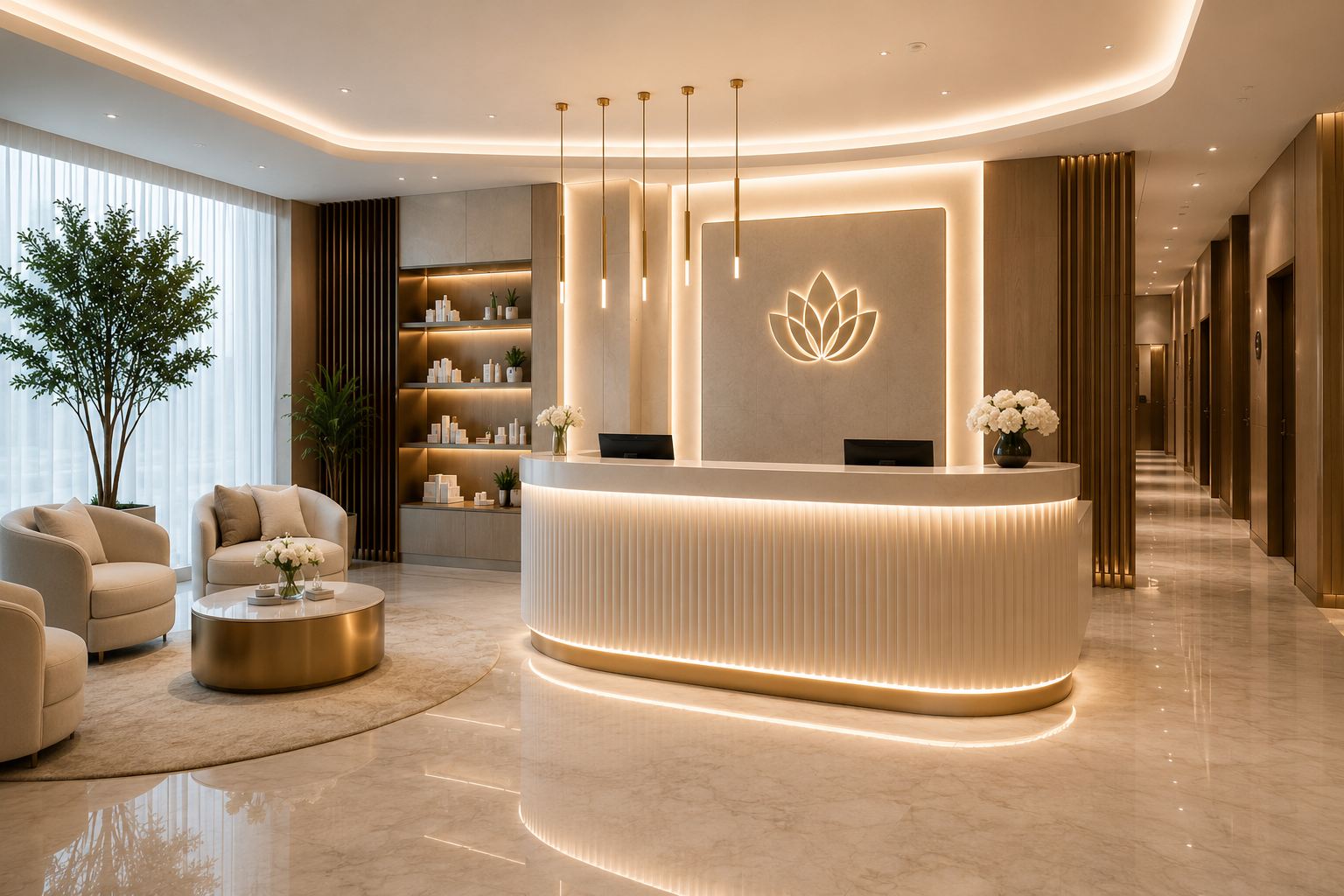
Eight licensed healthcare businesses, from a five room centre at AED 1.5 million to a JCI accredited hospital at AED 650 million.
Tell us your specialty, budget and timeline. We will shortlist.
Eight facilities across this range serve very different buyers. The shortest route to the right one is to start from what you are trying to do rather than from the price.
| If you are | Look at | Because |
|---|---|---|
| Moving into ownership for the first time | AED 1.5M to 2.5M | Licensed, fitted, and a commitment that does not require financing |
| A practitioner with an existing following | AED 3.5M | Trading medical centres with broad licences, insurer panels or disclosed profit |
| A surgeon who currently rents theatre time | AED 15M to 35M | Surgical licensing, the hardest scope to obtain and the highest margin to run |
| A group or institutional investor | AED 650M | Accredited hospital infrastructure with inpatient capacity and immediate operational capability |
We work with doctors and specialists, hospitals and groups and investors and family offices on all four routes, and the first conversation is usually about which one fits rather than which listing does.
Opening a healthcare facility in Dubai means clearing the full regulatory process before you see a single patient: facility licensing, specialty approvals, layout sign off, fit out, inspection and practitioner licensing. On a hospital, add accreditation and the recruitment of a full clinical establishment. Buying an existing facility means that work is already done and already paid for.
If you are weighing this against opening from scratch, our series on opening a clinic in the UAE sets out the full process step by step, so you can compare the two honestly.
Price depends far more on licensed scope, trading status and lease terms than on floor area. A facility that is not trading is priced on replacement cost, meaning what it would take to licence, fit out and equip from scratch. A trading one is priced on earnings. Fit out age, accreditation and location drive much of the rest.
Rent deserves more attention than it usually gets. Across the facilities on this page, annual rent runs from 8 percent of the asking price to just under 30 percent. Rent is the fixed cost a new owner has least control over, and at the top of that range it changes what the business can carry.
| Facility type | Range on this page | What drives the price |
|---|---|---|
| Focused centre, single discipline | AED 1.5M to 2.5M | Licence scope, lease terms, fit out age |
| Multi specialty medical centre, trading | AED 3.5M | Earnings, licence breadth, insurer panels |
| Day surgery facility | AED 15M to 35M | Surgical licensing, theatre infrastructure, premises |
| Accredited hospital | AED 650M | Bed and theatre capacity, accreditation, earnings |
Our guide to what a healthcare facility is worth in Dubai explains how each of these is valued, and why two facilities of the same size can differ by millions.
Yes. A healthcare facility licence can transfer as part of a business sale, but it is a regulated process, not an automatic one. The buyer must satisfy the regulator on ownership, management and clinical governance, and the facility must remain compliant with the standards in force at the time of transfer.
Three things buyers routinely underestimate. First, specialty approvals attach to the facility rather than the owner, which is why a licence with broad approved scope is worth materially more than the same premises with a narrow one. Second, a dormant licence may carry reactivation conditions, so establish in due diligence what is required to bring it back. Third, facilities inside Dubai Healthcare City operate under the free zone's own framework rather than mainland DHA licensing, and the two are not interchangeable.
Accreditation is different again. It is held by the organisation and maintained by continued compliance rather than transferred like a licence, so a change of ownership that disrupts clinical leadership puts it at risk.
We cover licence transfer, reactivation and regulatory change in our guides and regulatory updates.
Tell us which reference interests you, plus your background and funding position.
Clinic name, exact address, licence file, financials and equipment register are released only after this.
Licence file, specialty schedule, itemised asset register, tenancy contract, and financial statements where the facility trades.
Arranged discreetly, outside operating hours where confidentiality requires it.
Terms agreed, then licence transfer, company transfer and tenancy assignment.
Yes. The facilities on this page range from a five room preventive health centre to a JCI accredited private hospital with approximately 91 beds and six operating theatres. Multi specialty medical centres and day surgery facilities sit between the two.
Yes. Clinic names, exact addresses and financial information are withheld from public listings and released only to buyers who have signed a non-disclosure agreement.
Yes. Foreign ownership of healthcare businesses is permitted in Dubai, including 100% ownership in most structures. Ownership rules interact with licensing requirements, so confirm the structure before making an offer.
No. A clinic can be owned by a non-clinician, but the facility must appoint a licensed medical director and maintain the clinical governance structure DHA requires.
Dubai Healthcare City is a dedicated healthcare free zone that operates under its own regulatory framework rather than mainland DHA licensing. A licence held inside the zone is not interchangeable with a mainland one, and which applies affects ownership structure, transfer process and the standards a facility is assessed against.
Typically three to six months from signed NDA to completed transfer, depending on how quickly the buyer completes due diligence and how straightforward the licence and tenancy transfers are.
It depends. Where a facility trades, staff can often transfer with the labour establishment file. Where a facility is dormant, there is usually no team in place and the buyer recruits fresh.
Some UAE banks lend against licensed healthcare assets, particularly where there is a trading history and either a transferable lease or owned premises. Terms vary considerably by lender, by buyer profile and by the scale of the asset. Facilities where the premises are owned rather than leased generally open more financing routes.
No. The asking price buys the business, licence and assets. Rent is an ongoing obligation under the tenancy contract, which transfers subject to landlord approval.
Most of what determines whether an acquisition works is decided before an offer is made. These are the guides buyers ask us for most often.